Hialeah, FL · Miami-Dade County
Hospital Damage Restoration in Hialeah, FLHospital Storm Damage Restoration & Hospital Mold Remediation
Hospital Damage Restoration in Hialeah includes hospital water damage cleanup, hospital mold remediation and hospital fire damage restoration.
Answered 24/7
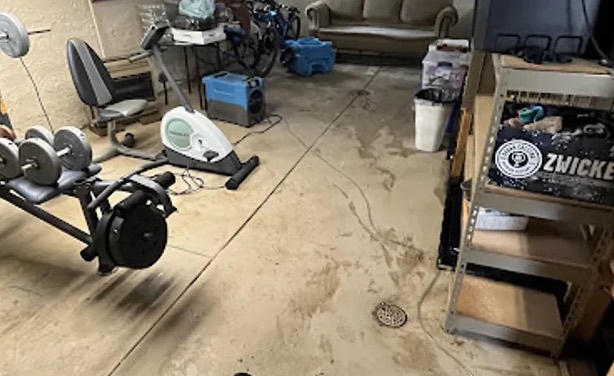
Professional Hospital Damage Restoration in Hialeah, FL
A hospital facing damage in Hialeah presents unique challenges due to its complex systems and high occupancy. Issues like sewage backups or storm damage can affect multiple departments and specialized equipment, requiring a tailored response to restore full functionality quickly and safely.
In Hialeah, hospitals need restoration planned around their size and function. Local hospital restoration experts handle water and fire damage that could halt medical services. They respond day or night in Hialeah and nearby areas like Palm Springs, Westgate and West Little River. They apply IICRC-standard methods to restore safety and function.
Hospital Damage Restoration Solutions for Hialeah Hospitals
Hospital Storm Damage Restoration
Hospital storm damage restoration repairs structural harm from wind, hail, or falling debris. Temporary measures may be implemented to maintain facility operations. The experts coordinate these repairs.
Hospital Mold Remediation
Hospital mold remediation identifies and removes mold growth often resulting from hidden moisture. Affected materials are cleaned or removed. The pros in Hialeah use IICRC-standard methods.
Hospital Biohazard Cleanup
Biohazard cleanup in a hospital means decontaminating every surface. Biohazardous material is safely contained and disposed of per regulations. It keeps the environment sterile.
Hospital Sewage Backup Cleanup
Sewage cleanup in a medical facility targets pathogens. The pros use industry-standard safety measures. The space is then safe to use.
Hospital Emergency Water Extraction
Emergency extraction removes standing water fast to protect building systems. Truck-mounted or portable extractors are used based on volume. This is the first step in the drying process.
When to Consider Hospital Damage Restoration for Your Hialeah Facility
Electrical Malfunctions After Flooding
Sparking outlets or tripped breakers in damp areas are dangerous. Hospital damage repair includes assessing and safely restoring electrical systems.
Compromised Medical Storage Areas
Water intrusion near medication or sterile supply storage creates an immediate contamination risk. The pros can secure the area.
Visible Mold Growth on Surfaces
Spots of black, green, or white mold on walls or ceilings are a clear warning. Mold must be removed for health and safety.
Biohazard Spills or Contamination
Spills involving blood or other bodily fluids require specialized decontamination. Hospital biohazard cleanup follows strict protocols for safety.
How Hospital Damage Restoration Works in Hialeah
Step 1: Secure the Affected Area
Safety is the first priority. Pros secure electrical hazards and set up containment with plastic sheeting to isolate the damage during hospital storm damage repair.
Step 2: Remove Water and Debris
All water and storm-related debris are cleared. For hospital flood restoration, this includes pumping out standing water and removing damaged exterior materials.
Step 3: Dry and Monitor the Structure
High-volume fans and commercial dehumidifiers dry the building's framework. Moisture levels are monitored daily until the structure meets industry-standard dryness criteria.
Step 4: Clean and Restore the Space
The area is cleaned, disinfected, and restored. This final phase completes the hospital damage restoration process, making the space functional and safe again.
Typical Origins of Hospital Water Damage and Flooding
Sewer Line Backups and Blockages
Sewer overflows or line blockages can push contaminated water into the building.
Fire Suppression System Activation
Sprinkler discharges and firefighting leave behind water and soot damage that need cleanup.
Appliance Malfunctions and Overflows
Failures in water heaters, ice machines, or laundry equipment can release large volumes of water, triggering hospital emergency water extraction.
HVAC System Condensation Issues
Faulty drain pans or uninsulated cooling lines in air handlers create constant moisture, which is a primary cause for hospital mold remediation.
Hospital Damage Restoration for Hialeah Medical Centers
Hospital Damage Restoration for Homeowners
Residential fire damage leaves behind pervasive soot and odor that penetutes upholstery and HVAC ducts. Water used to extinguish the blaze adds to the destruction, soaking insulation and framing.
Hospital Damage Restoration for Owners and Facility Managers
Commercial mold infestations in office buildings can spread through ventilation systems, affecting air quality and employee health. The pros contain the affected area, remove contaminated materials, and restore proper humidity control to the workspace.
When to Call Hospital Water Damage Pros for Hospital Damage in Hialeah
You can document the damage for your insurance claim by taking clear photographs and videos of all affected areas and items. Make a list of damaged property. The pros will also provide detailed documentation, including moisture readings, to support your claim.
Factors in Hospital Damage Restoration Pricing for Hialeah Hospitals
Pricing for hospital damage restoration in Hialeah, Palm Springs, Westgate and West Little River factors in advanced drying equipment, air quality restoration needs, and specialized labor for biohazard handling or sensitive medical equipment.
Air Quality Testing
Post-remediation verification of indoor air quality standards adds a final step and associated cost to the process.
Emergency Response
Mobilizing resources for 24/7 help to contain damage quickly can affect the initial service cost.
Project Duration
The time required to complete restoration while maintaining or restoring partial hospital function influences pricing.
Does Insurance Cover Hospital Damage Restoration?
Hospital sewage cleanup and biohazard cleanup coverage varies by insurance policy. The pros document the damage in written reports. You must then file with your insurer, as they have final say on hospital emergency cleanup coverage.
Benefits of Local Pros for Hialeah Hospital Restoration
Comprehensive Damage Assessment
A detailed evaluation identifies all affected materials and structural components, guiding a complete restoration plan.
Medical-Grade Decontamination
Specialized cleaning agents and techniques are applied for surfaces and areas requiring the highest hygiene standards.
Minimized Operational Disruption
The restoration plan keeps critical services running or restores them as quickly as possible.
24/7 Hospital Damage Restoration Response in Hialeah
Don't let water damage or a biohazard situation escalate in your hospital. Call (645) 230-2529 anytime for 24/7 hospital water damage cleanup and restoration. The pros in Hialeah provide emergency service.
Call Now (645) 230-2529Hospital Damage Restoration Near Hialeah: Areas Served
Hospital water damage cleanup is available in Hialeah, Florida, and for facilities in Palm Springs, Westgate and West Little River.
Common Hospital Damage Restoration Questions Answered
How is odor removed after hospital fire damage?
Specialized thermal fogging, ozone treatment, or air scrubbing techniques are used to neutralize smoke odor particles trapped in porous materials and the HVAC system.
What are the steps for hospital fire damage restoration?
Steps include soot and odor removal from all surfaces, cleaning of HVAC systems, and repair of structural elements affected by heat, smoke, or water used for firefighting.
What defines hospital biohazard cleanup?
This involves the safe, regulated removal and disposal of biological contaminants, followed by thorough disinfection of the area to meet hospital hygiene standards.
What does hospital storm damage restoration include?
It covers wind and water repairs to the building, plus water extraction and drying of the interior spaces.
How is hospital sewage backup cleanup handled?
It involves the safe removal of contaminated water and waste, followed by intensive cleaning and disinfection of all affected surfaces using hospital-grade protocols.