Westview, FL · Miami-Dade County
Moisture Detection Services in Westview, FLPost-Flood Moisture Assessment & Infrared Moisture Scanning
Moisture Detection Services in Westview includes wall cavity moisture detection, subfloor moisture inspection and post-flood moisture assessment.
Answered 24/7
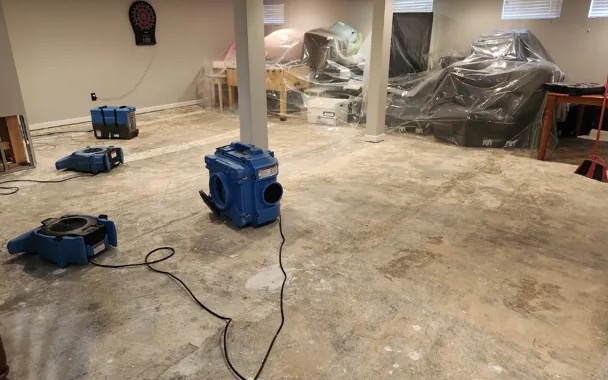
Moisture Detection Services from Trusted Restoration Pros in Westview
Undetected moisture can compromise structural integrity and indoor air quality in Westview. Local moisture detection pros use infrared scanning and pinless meter testing to identify wet spots.
Properties in Westview and nearby areas like Opa-locka, West Little River and Pinewood benefit from precise moisture detection services to address hidden water damage. The pros use infrared moisture scanning and pinless meter testing to identify dampness in walls and floors, helping prevent mold and structural issues.
Local Moisture Detection Services for Westview
Post-Flood Moisture Assessment
A post-flood moisture assessment maps the entire affected area after significant water intrusion. It identifies all wet materials to plan a full-scale drying operation.
Infrared Moisture Scanning
An infrared scan uses thermal imaging to detect temperature differences caused by moisture. This method quickly locates wet areas that are not visible, guiding the drying equipment placement.
Structural Drying Verification
Readings are compared to established dry standards for each material type, helping ensure no residual moisture remains to cause future problems.
Thermal Imaging Moisture Detection
Infrared moisture scanning uses thermal cameras to find hidden water in walls and ceilings. This non-invasive method helps the pros locate damp areas without cutting into surfaces.
Wall Cavity Moisture Detection
Wall cavities are a primary area for hidden water damage. Accurate detection here by the pros in Westview prevents long-term issues and ensures the drying plan addresses the full extent of the intrusion.
Clues That Demand Moisture Detection Services from Local Pros
Creaking or Sagging Subfloors
Floors make unusual noises or feel unstable underfoot. This can be a symptom of long-term subfloor moisture inspection needs.
Spongy Drywall or Soft Spots
Walls or ceilings feel soft or damp to the touch. This sponginess means structural materials have absorbed significant water.
Staining on Walls or Ceilings
Yellow, brown, or dark water stains appear on surfaces. These stains are clear indicators of past or ongoing moisture intrusion.
Condensation on Windows or Pipes
Excessive condensation forms on cold surfaces. This often suggests high moisture levels within the building envelope.
How Moisture Detection Services Work in Westview
Step 1: Infrared Moisture Scan
The pros begin with a non-invasive infrared scan of the affected areas. This technology reveals temperature differences that indicate hidden moisture behind surfaces.
Step 2: Pinless Meter Verification
Pros then use pinless moisture meters to verify the scan results without piercing materials. This step provides accurate moisture meter readings for wall cavities and subfloors.
Step 3: Moisture Mapping Documentation
All detected wet areas are carefully mapped to create a moisture map of the property. This documentation is essential for planning drying and for your insurance claim.
Step 4: Structural Drying Assessment
Finally, pros perform a structural drying assessment to establish drying goals. This determines if specialized drying equipment is needed to achieve material dryness verification.
Origins of Undetected Moisture in Westview Homes
HVAC System Condensate Line Issues
A clogged AC drain line can overflow inside the system and soak nearby ceilings or walls unseen.
Flooding From External Sources
Heavy rain or nearby flooding can push water into a building, and it often soaks further than it appears.
Window and Door Seal Failures
Degraded caulk and weatherstripping let rain drive in. This water soaks into framing.
Poor Ventilation and Condensation
Inadequate airflow in bathrooms or kitchens traps humidity. This moisture condenses inside walls.
Residential and Commercial Moisture Detection Services in Westview
Residential Moisture Detection Services
Homeowners need moisture detection services to protect their property's value and health. Hidden water in walls or under floors can lead to mold and structural rot.
Commercial Moisture Detection Services
Business owners require moisture detection to maintain operations and protect assets. Undetected moisture can disrupt business, damage inventory, and create liability issues.
Hiring Local Pros for Moisture Detection Services Over DIY Attempts
Checking visible pipes under sinks or around toilets for condensation or drips is a reasonable DIY task. Monitor areas that previously had leaks for any new signs of staining.
Investing in Moisture Detection Services for Your Westview Property
Moisture detection services cost in Westview is affected by the size of the area needing inspection and the depth of testing required.
Access Complexity
Hard-to-reach areas like wall cavities or subfloors require more effort for moisture detection, impacting the overall service price.
Inspection Area Size
The total square footage to scan and test sets how long the assessment takes.
Follow-Up Visits
If structural drying verification or repeated dryness checks are needed, additional trips will contribute to the total project cost.
Does Insurance Cover Moisture Detection Services?
Insurance coverage for post-flood moisture assessment hinges on your policy's terms regarding flood or water damage. You must consult your insurer to understand what is covered under your plan.
Selecting Local Pros for Your Westview Moisture Detection Services Needs
Objective Data Reporting
Results are based on measurable humidity and moisture readings, providing factual information without guesswork.
Clear Process Explanation
You receive a straightforward explanation of the findings and what they mean for your property's condition.
Advanced Detection Tools
Using infrared cameras and pinless meters allows for non-invasive, precise location of hidden moisture within building materials.
Urgent Moisture Detection Services Day or Night in Westview
For immediate moisture detection after a leak or flood, call (645) 230-2529 for 24/7 emergency service. The pros typically perform infrared scanning and assess the damage to help mitigate further issues.
Call Now (645) 230-2529Locations for Moisture Detection Services Near Westview
The experts map moisture and find leaks in Westview, a census-designated place in Miami-Dade County, and also check wall cavities and subfloors in surrounding areas like Opa-locka, West Little River and Pinewood.
- Moisture Detection Services in Opa-locka
- Moisture Detection Services in West Little River
- Moisture Detection Services in Pinewood
- Moisture Detection Services in Gladeview
- Moisture Detection Services in Westgate
- Moisture Detection Services in North Miami
- Moisture Detection Services in Miami Gardens
- Moisture Detection Services in Miami Shores
- Emergency Damage Restoration in 33167
- Storm Damage Restoration in 33167
- Water Damage Restoration in 33167
- Water Extraction Service in 33167
- Water Leak Detection in 33167
- Water Removal Service in 33167
FAQ for Moisture Detection Services in Westview
What tools are used for water damage inspection?
Tools include infrared cameras, pin and pinless moisture meters, hygrometers for humidity testing, and boroscopes for visual checks in cavities.
Is moisture detection necessary for insurance?
Thorough moisture detection provides documented proof of damage extent with readings and maps, which is valuable evidence for your insurance claim process.
What is material dryness verification?
It is the final meter check that confirms every affected material has dried to normal levels.
Why is humidity testing part of the process?
Humidity testing measures ambient moisture in the air, which helps assess drying conditions and the risk of condensation affecting materials.
When is structural drying verification needed?
Verification is essential after drying equipment runs, using moisture meters to confirm materials have reached a safe, dry standard before repairs begin.