Lauderhill, FL · Broward County
Septic Tank Backup Water Removal in Lauderhill, FLEmergency Septic Backup Response, Septic Tank Backup Water Extraction & Septic Backup Sewage Cleanup
Septic Tank Backup Water Removal in Lauderhill includes septic tank backup water removal, septic backup sewage cleanup, and septic system water damage repair to protect properties.
Answered 24/7
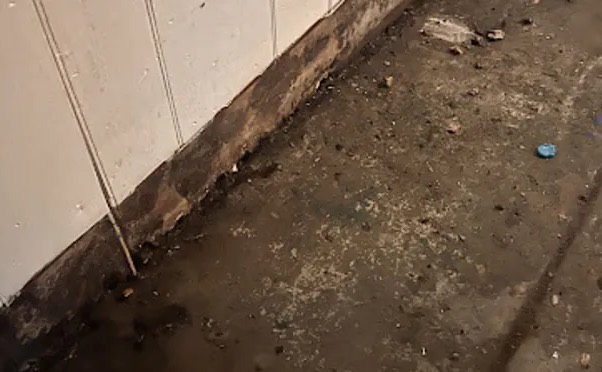
Septic Tank Backup Water Removal Specialists Serving Lauderhill
Emergency septic backup service in Lauderhill responds to the urgent need to remove hazardous water from living spaces. The overflow creates an immediate environment unfit for occupancy. Fast, professional septic tank flooding response is the first step to making the home safe again for residents.
Local restoration pros arrive equipped for septic tank water extraction and sewage cleanup. They remove the contaminated water, sanitize affected surfaces and begin structural drying. Their documentation of the damage, including septic water damage documentation, serves as evidence for your insurance review.
For homes in the Lauderhill area, septic tank backup cleanup is a specialized need distinct from ordinary water removal. The contaminated water requires hazardous material handling protocols. The septic tank backup water removal pros serving Lauderhill and surrounding communities use industrial extractors and disinfectants to address septic system overflow water removal, aiming to return your property to a clean, dry state.
Key Septic Tank Backup Water Removal Procedures in Lauderhill
Emergency Septic Backup Response
The fast emergency response from septic tank backup water removal pros aims to contain the health hazard and limit secondary damage like mold growth. Initial actions focus on securing the area and removing the sewage water.
Septic Tank Backup Water Extraction
The water extraction for a septic tank backup in Lauderhill utilizes powerful truck-mounted pumps to remove hazardous water efficiently. This immediate action by local water removal pros helps stop further property damage and contamination spread.
Septic Backup Sewage Cleanup
This cleanup process by septic tank backup water removal pros addresses the biohazardous materials present, helping ensure all affected surfaces are treated to eliminate health risks. Proper disposal of contaminated items is a standard part of the service.
Septic Tank Drain Backup Cleanup
Cleanup for a septic tank drain backup in Lauderhill involves clearing blockages and removing all contaminated water from the plumbing system. Local cleanup specialists then sanitize the drain lines and fixtures.
Septic Overflow Decontamination
The decontamination process applies specialized agents to kill bacteria and viruses left by the sewage spill. Local septic tank backup water removal pros use IICRC-standard methods to treat every affected area comprehensively.
Septic System Water Damage Repair
Repair work for septic system water damage in Lauderhill begins after drying and decontamination are complete. Local water extraction experts can replace damaged subflooring, drywall, and trim to restore the area.
Septic Backup Odor Removal
Odor removal after a septic backup in Lauderhill targets the source of the smell within porous materials and the air. Local water damage pros use advanced oxidation and sealing techniques to eliminate it.
Indicators of a Septic Backup in Lauderhill
Wet Spots or Soggy Ground Outside
Unexpectedly damp, lush, or spongy patches in your yard, especially near the septic tank, can mean a septic tank drain backup is occurring.
Overflow From Septic Tank Lid Area
Visible effluent or wet soil around the septic tank access lid is a clear sign the tank is full and septic system water removal is required.
Gurgling Sounds From Plumbing Vents
Bubbling or gurgling noises from roof vents or inside drains often precede visible septic tank flooding. Air is trapped by a blockage in the line.
Multiple Drains Backing Up Simultaneously
When several fixtures clog or drain slowly at once, it points to a main line issue rather than an isolated clog. This requires septic backup emergency service.
Sewage Visible in Cleanout Pipe
If you check the main sewer cleanout and find standing wastewater, your septic system overflow water removal must be addressed immediately by local septic tank backup water removal pros.
Foul Odors Near the Drain Field
Persistent sewage smells around your yard or near plumbing fixtures signal a potential septic system overflow. These odors often worsen after water use.
How Septic Tank Backup Water Removal Works in Lauderhill
Step 1: Septic Backup Inspection
Septic tank backup water removal begins with a detailed inspection of the septic tank backup cleanup area to plan sewage backup removal strategies.
Step 2: Flood Water Extraction
Heavy-duty extractors handle septic system overflow water removal, pulling water from septic tank drain backup situations to halt additional septic water damage.
Step 3: Decontamination and Odor Control
Septic overflow decontamination and septic backup odor removal processes cleanse the space, addressing health concerns from residential septic backup cleanup needs.
Step 4: Structural Drying and Restoration
Final steps involve drying affected materials and performing septic system water damage repair to complete the septic tank backup water removal service.
Frequent Sources of Septic System Water Damage
Damaged or Collapsed Drain Field
When the soil absorption area fails, water has nowhere to go. This leads to septic system overflow water removal becoming a recurring problem.
Full or Failing Septic Tank
A tank at capacity cannot accept new wastewater, causing immediate backups into your home. Regular pumping prevents this common septic tank backup cause.
Compacted Soil Over the Drain Field
Heavy vehicles or structures parked above the leach field prevent proper drainage. This compaction causes backups, needing septic overflow decontamination.
Old Age and General System Deterioration
All septic components degrade. Corroded pipes, cracked tanks, and failed seals eventually lead to residential septic backup cleanup scenarios.
Improper Tank or System Design
An undersized tank or poorly planned drain field for your household's needs is a setup for chronic septic backup water removal issues.
Full-Scale Septic Tank Backup Water Removal in Lauderhill
Residential Septic Tank Backup Water Removal
A septic backup in a residence demands urgent septic overflow decontamination to protect household health. Experts handle the hazardous waste removal, then sanitize all surfaces with hospital-grade disinfectants to ensure the home is safe for inhabitants post-cleanup.
Commercial Septic Tank Backup Water Removal
Industrial facilities with septic issues face complex challenges with machinery and large-scale flooring. Septic backup water extraction experts utilize truck-mounted pumps and industrial air movers to manage large volumes and restore the workspace to operational condition.
Septic Tank Backup Water Removal vs. DIY: When to Call Septic Tank Backup Water Removal Pros
Locate your main cleanout plug, but do not open it if sewage is present, as it may release pressure and cause a spill. You can call a plumber to diagnose a simple clog, but if the issue is septic-related, septic overflow decontamination by professionals is required to address the source and the contamination.
Factors Affecting Septic Tank Backup Water Removal Cost in Lauderhill
Costs for emergency septic backup response vary with the time of day and how quickly local septic tank backup water removal pros must mobilize. The complexity of the septic tank drain backup situation directly impacts the labor required.
Damage Documentation
Detailed septic water damage documentation for insurance purposes involves time for photos, moisture mapping, and report preparation by the septic tank backup water removal pros.
Odor Removal Needs
Persistent septic backup odors often need advanced air scrubbing and sealing techniques, which require additional equipment and time to address effectively.
Structural Repairs
Any necessary septic system water damage repair, such as replacing subflooring or wall structures, is a separate line item in the restoration process.
Decontamination Procedures
Thorough septic overflow decontamination involves specialized antimicrobial agents and cleaning processes, which contribute to the overall material and labor costs.
Does Insurance Cover Septic Tank Backup Water Removal?
For septic system overflow water removal, your insurer will determine coverage based on the cause of the failure. Local septic tank backup water removal pros document all septic tank water damage thoroughly to support your claim with photos and reports.
Advantages of Septic Tank Backup Water Removal from Septic Tank Backup Water Removal Pros in Lauderhill
Advanced Water Extraction
Powerful pumps and truck-mounted units are used for rapid septic tank water extraction, removing the bulk of the contaminated liquid quickly.
IICRC-Standard Decontamination
Septic overflow decontamination follows industry protocols to neutralize harmful pathogens and bacteria, making the affected area safe again.
Methodical Drying Process
After extraction, industrial air movers and dehumidifiers ensure the area is dried to prevent secondary mold damage.
Thorough Drain Backup Cleanup
The process addresses the septic tank drain backup completely, cleaning the affected plumbing fixtures and surrounding areas.
Containment Protocols
Work areas are sealed to prevent cross-contamination, ensuring the septic tank backup cleanup is confined to the necessary zones.
Emergency Septic Backup Help in Lauderhill
Septic tank flooding can cause extensive damage and pose serious risks. Don't wait; call for professional septic system water removal immediately by dialing (645) 230-2529 for 24/7 emergency service from restoration pros.
Call Now (645) 230-2529Septic Tank Backup Water Removal Available Across Florida
When septic tank backup water removal is needed in Lauderhill, local septic tank backup water removal pros provide essential service. They also assist homeowners in nearby areas like Plantation, Roosevelt Gardens and Washington Park facing similar septic emergencies.
- Septic Tank Backup Water Removal in Plantation
- Septic Tank Backup Water Removal in Roosevelt Gardens
- Septic Tank Backup Water Removal in Washington Park
- Septic Tank Backup Water Removal in Rock Island
- Septic Tank Backup Water Removal in Franklin Park
- Septic Tank Backup Water Removal in Boulevard Gardens
- Septic Tank Backup Water Removal in Broadview Park
- Septic Tank Backup Water Removal in Fort Lauderdale
Frequently Asked Questions About Septic Tank Backup Water Removal
What happens during septic tank water extraction?
Powerful submersible pumps and truck-mounted extractors are used to remove the bulk of the contaminated liquid from the property, which is the first critical step in the restoration process.
What does septic overflow decontamination involve?
The process uses EPA-registered disinfectants and antimicrobial cleaners on all affected surfaces to kill bacteria and viruses, ensuring the area is sanitized and safe for reoccupation after the cleanup.
What's included in emergency septic backup response?
A typical response involves local septic tank backup water removal pros arriving to contain the hazard, begin septic tank water extraction, assess the damage, and start cleanup and drying to stabilize the property.
How do pros document septic system water damage?
They use moisture meters, thermal imaging cameras, and photography to map affected areas, creating a detailed report for your records and potential insurance claim submission.
How long does septic tank overflow cleanup take?
The timeline varies with the severity. Simple extraction and cleaning may take a day, while jobs involving structural repairs and detailed decontamination can span several days.
Why is septic water damage documentation important?
Detailed documentation with photos and moisture readings creates a record for your insurance claim, showing the extent of loss and supporting the need for professional septic system water removal.
How is septic tank drain backup cleanup performed?
Specialists clear the drain line if possible, then extract standing water and meticulously clean all fixtures and surfaces that came into contact with the contaminated backup.