Fort Lauderdale, FL · Broward County
Temperature-Controlled Drying in Fort Lauderdale, FLAir Mover Placement For Drying & Moisture Mapping
Temperature-Controlled Drying in Fort Lauderdale includes thermal drying for water damage, rapid structural drying services, and humidity control for restoration managed by local temperature-controlled drying specialists.
Answered 24/7
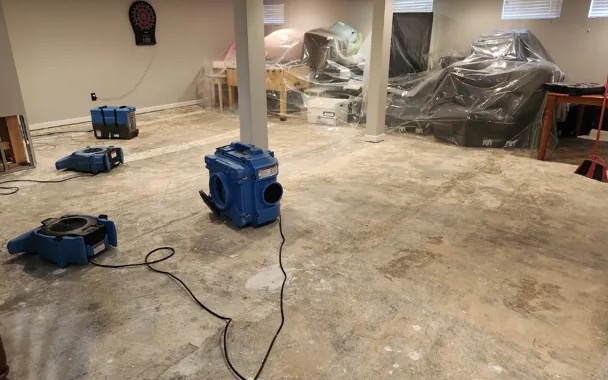
Targeted Temperature-Controlled Drying for Properties in Fort Lauderdale
In Fort Lauderdale, slow or uneven drying lets wood rot and drywall soften, which adds cost and keeps you out of your home longer.
In Fort Lauderdale and nearby Franklin Park, Boulevard Gardens and Washington Park, local pros map moisture in walls and subfloors, then fit thermal drying and humidity control to the materials in the building.
Temperature-Controlled Drying Methods Available in Fort Lauderdale
Air Mover Placement for Drying
Expert deployment of air movers displaces the saturated air layer clinging to wet materials. Proper placement helps ensure every surface receives directed airflow, the engine of evaporation.
Moisture Mapping
Moisture mapping uses penetrating and non-penetrating meters to document water migration. This creates a blueprint of wet areas, including hidden moisture behind walls.
Rapid Structural Drying Services
Local temperature-controlled drying specialists aim air movers at wet studs, joists and subfloors to dry the structure safely.
Thermal Drying for Water Damage
The specialists apply thermal energy to enhance air mover and dehumidifier effectiveness. This lowers relative humidity, creating a stronger force to pull moisture from materials.
Humidity Control for Restoration
The specialists size dehumidifiers from the moisture map, then pair them with air movers to carry moisture away from materials.
Signs You Need Professional Temperature-Controlled Drying in Fort Lauderdale
Cold, Damp Feeling in a Room
A room feels noticeably colder and damper than the rest of the house. This sensation is often due to evaporative cooling from wet materials.
Paint Peeling or Bubbling Up
Paint loses adhesion and forms bubbles or peels away from the wall. This failure is caused by moisture trapped beneath the paint film.
Damp Odors Persisting After Water
A musty smell lingers even after visible water is gone, indicating hidden moisture. That odor often signals mold or trapped dampness.
Moisture Meter Shows High Readings
A moisture meter reading high inside walls or floors means drying is not finished.
How Temperature-Controlled Drying Works in Fort Lauderdale
Step 1: Initial Moisture Survey and Readings
Pros take baseline moisture readings across the property to plan the drying.
Step 2: Precision Air Mover Placement
Air movers are placed at set angles and distances to target specific wet materials.
Step 3: Deployment of Drying Systems
Dehumidifiers are sized to the moisture load and the size of the space.
Step 4: Ongoing Monitoring and Adjustment
Equipment is moved and adjusted as materials dry, so drying keeps moving.
Sources of Water Intrusion Needing Moisture Removal in Fort Lauderdale
Storm-Driven Water Intrusion
Heavy rain overflows gutters or gets in around windows and soaks framing and insulation.
Overflowing Sinks or Bathtubs
A simple blockage or forgetfulness leads to an overflow event. Water spreads quickly, soaking cabinetry and flooring, and requires thorough drying equipment deployment.
Poor Ventilation After a Flood
Closing up a wet room traps humid air, which slows drying and lets moisture soak further into materials.
Sprinkler System Activation
A fire sprinkler discharges, releasing a large volume of water quickly. This event saturates entire areas and requires precise air mover placement and strategy.
Residential and Commercial Drying in Fort Lauderdale, FL
Residential Temperature-Controlled Drying
At home, the pros dry wall cavities, subfloors and belongings with air movers and dehumidifiers, and keep drying logs for your insurance review.
Commercial Temperature-Controlled Drying
For businesses, rapid drying minimizes downtime and protects inventory, equipment, and building integrity. Large-scale drying systems are implemented to address moisture in offices, retail spaces, and warehouses.
Temperature-Controlled Drying vs. DIY Drying in Fort Lauderdale
Letting a room air dry for days risks mold and lets moisture wick into nearby materials. Air movers and dehumidifiers dry it in a fraction of the time.
Factors in Temperature-Controlled Drying Pricing for Fort Lauderdale, FL
In Fort Lauderdale, cost depends on how complex the moisture mapping is and how much equipment the area needs.
Documentation Requirements
Detailed drying logs and moisture reports for insurance take extra time to prepare.
Extent of Water Damage
The larger the area that needs drying, the more equipment and labor the job takes.
Humidity Control Measures
Controlling humidity in tight spaces often takes specialized drying equipment and frequent adjustments.
Does Insurance Cover Temperature-Controlled Drying?
Insurance may help pay for drying if the cause is a covered loss. Pros provide moisture maps and equipment records for your insurer, which makes the coverage decision.
Benefits of Local Specialists for Temperature-Controlled Drying in Fort Lauderdale
Advanced Moisture Mapping
Moisture meters and thermal cameras find hidden wet pockets so every affected material is dried.
IICRC-Standard Drying Methods
Drying follows industry guidelines and is checked with meters, which keeps framing and floors from staying wet.
Strategic Equipment Deployment
Air movers and dehumidifiers are placed according to a plan for even airflow and low humidity.
24/7 Temperature-Controlled Drying for Emergencies in Fort Lauderdale
Don't let moisture settle in. For emergency deployment of drying equipment and strategic air mover placement to start controlled drying, reach the specialists directly at (645) 230-2529, available 24/7.
Call Now (645) 230-2529Temperature-Controlled Drying for Fort Lauderdale and Surrounding Regions
Temperature-controlled drying is available for homes in Fort Lauderdale and nearby places like Franklin Park, Boulevard Gardens and Washington Park.
- Temperature-Controlled Drying in Franklin Park
- Temperature-Controlled Drying in Boulevard Gardens
- Temperature-Controlled Drying in Washington Park
- Temperature-Controlled Drying in Wilton Manors
- Temperature-Controlled Drying in Roosevelt Gardens
- Temperature-Controlled Drying in Rock Island
- Temperature-Controlled Drying in Oakland Park
- Temperature-Controlled Drying in Broadview Park
- Emergency Damage Restoration in 33301
- Storm Damage Restoration in 33301
- Water Damage Restoration in 33301
- Water Extraction Service in 33301
- Water Leak Detection in 33301
- Water Removal Service in 33301
- Emergency Damage Restoration in 33302
- Storm Damage Restoration in 33302
Temperature-Controlled Drying Information and FAQs
What are water damage drying logs used for?
Drying logs are detailed records of moisture readings, equipment settings, and progress; they provide documentation for the restoration process and are often required for insurance claims.
Can temperature-controlled drying prevent mold growth?
By rapidly removing moisture and controlling humidity, the process creates an environment where mold cannot thrive, significantly reducing the potential for mold.
What is the difference between air movers and dehumidifiers?
Air movers evaporate moisture from surfaces into the air, and dehumidifiers pull it back out of the air.
What is the strategy behind air mover placement?
They are angled to move air across wet surfaces in a pattern, so moisture evaporates into the air where dehumidifiers can capture it.
What happens if hidden moisture is not found during mapping?
Undetected moisture can lead to ongoing deterioration, odor issues, and mold growth inside walls or under floors, underscoring the critical need for thorough initial assessment.