Surfside, FL · Miami-Dade County
Temperature-Controlled Drying in Surfside, FLDrying Equipment Deployment & Air Mover Placement For Drying
Temperature-Controlled Drying in Surfside includes thermal drying for water damage, rapid structural drying services, and humidity control for restoration managed by local moisture control experts.
Answered 24/7
Local Temperature-Controlled Drying Solutions for Surfside Homes
In Surfside, water spreads quickly through wood and concrete. Local pros use controlled heat to drive moisture out of those materials faster.
In Surfside and nearby Bay Harbor Islands, Bal Harbour and North Bay Village, local pros map moisture in walls and subfloors, then fit thermal drying and humidity control to the materials in the building.
Specialized Temperature-Controlled Drying Offerings in Surfside, FL
Drying Equipment Deployment
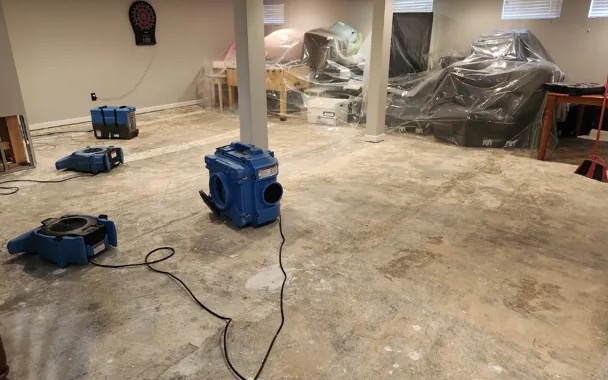
The experts set up LGR dehumidifiers, axial fans and cavity drying systems to work together on the wet structure.
Air Mover Placement for Drying
The experts plan placement around furniture and walls, and may build air dams or blow air into cavities to cut drying time in Surfside homes.
Climate-Controlled Drying Systems
Dehumidifiers and air movers keep the air in a contained space warm and dry, so moisture moves out of materials faster.
Humidity Control for Restoration
The experts keep humidity low in properties in Surfside, so water evaporates from materials instead of soaking back in.
Thermal Drying for Water Damage
The experts apply thermal energy to enhance air mover and dehumidifier effectiveness. This lowers relative humidity, creating a stronger force to pull moisture from materials.
Symptoms Needing Temperature-Controlled Drying in Surfside
Warping of Wood Floors or Trim
Floorboards begin to cup, buckle, or separate at the seams. This warping is a direct result of excessive, uneven moisture content.
Equipment Running With No Result
Fans or dehumidifiers that run for days without drying the area mean the moisture is deeper than household equipment can reach.
High Humidity Readings Inside
A hygrometer showing unusually high indoor humidity after water damage means the building is still wet.
Moisture Meter Shows High Readings
A moisture meter reading high inside walls or floors means drying is not finished.
How Temperature-Controlled Drying Works in Surfside
Step 1: Initial Moisture Survey and Readings
Pros take baseline moisture readings across the property to plan the drying.
Step 2: Precision Air Mover Placement
Air movers are placed at set angles and distances to target specific wet materials.
Step 3: Deployment of Drying Systems
Dehumidifiers are sized to the moisture load and the size of the space.
Step 4: Ongoing Monitoring and Adjustment
Equipment is moved and adjusted as materials dry, so drying keeps moving.
Typical Reasons for Drying Needs in Surfside
Sprinkler System Activation
A fire sprinkler discharges, releasing a large volume of water quickly. This event saturates entire areas and requires precise air mover placement and strategy.
Roof Leak During Heavy Rain
Wind-driven rain through a damaged roof or flashing can run down inside wall cavities, where it needs targeted drying.
Foundation Cracks and Seepage
Hydrostatic pressure forces groundwater through cracks in the foundation wall. This seepage creates a constant dampness that challenges standard drying technology.
Appliance Malfunction or Overflow
A failed washing machine hose, water heater or dishwasher can release many gallons onto the floor.
Residential & Commercial Temperature-Controlled Drying in Surfside
Residential Temperature-Controlled Drying
At home, moisture hides in attics, crawl spaces and behind finished walls. Pros map it before setting up equipment so the whole house dries.
Commercial Temperature-Controlled Drying
In offices, schools and clinics, pros use quieter drying equipment that can run in occupied spaces, and document when drying is complete.
Temperature-Controlled Drying vs. DIY Drying in Surfside
Ventilating the area by opening windows can help if outdoor humidity is lower than indoors, but this is rarely controlled or sufficient. You can create a list of damaged items for a potential insurance claim.
Cost Considerations for Temperature-Controlled Drying in Surfside
In Surfside, cost depends on how far the moisture spread and how many rooms need drying equipment and monitoring.
Structural Material Types
Porous materials like concrete or dense wood require more aggressive drying strategies and extended monitoring, influencing the project timeline and cost.
Extent of Water Damage
The larger the area that needs drying, the more equipment and labor the job takes.
Access and Logistics
Challenging site access in Surfside can complicate equipment deployment and placement, potentially increasing setup time and labor requirements.
Does Insurance Cover Temperature-Controlled Drying?
Many homeowner policies cover temperature-controlled drying when it stems from a sudden, covered peril like a burst pipe. The experts document all damage with photos and moisture readings for your claim submission.
Advantages of Hiring Moisture Control Experts in Surfside for Temperature-Controlled Drying
IICRC-Standard Drying Methods
Drying follows industry guidelines and is checked with meters, which keeps framing and floors from staying wet.
Comprehensive Drying Logs
Detailed, chronological logs of moisture readings and equipment settings provide a transparent record of the entire temperature-controlled drying process.
24/7 Emergency Response
Quick action is critical to limit secondary damage, and the pros are available around the clock to begin the drying process.
24/7 Temperature-Controlled Drying for Emergencies in Surfside
Stop water damage from getting worse while materials sit wet. Call (645) 230-2529 24/7 for drying help from the pros in Surfside.
Call Now (645) 230-2529Temperature-Controlled Drying Available Throughout Miami-Dade County
The pros dry structures and control humidity in Surfside and communities such as Bay Harbor Islands, Bal Harbour and North Bay Village.
- Temperature-Controlled Drying in Bay Harbor Islands
- Temperature-Controlled Drying in Bal Harbour
- Temperature-Controlled Drying in North Bay Village
- Temperature-Controlled Drying in North Miami
- Temperature-Controlled Drying in Miami Shores
- Temperature-Controlled Drying in Pinewood
- Temperature-Controlled Drying in North Miami Beach
- Temperature-Controlled Drying in Miami Beach
Your Temperature-Controlled Drying Questions Addressed
What is the difference between air movers and dehumidifiers?
Air movers evaporate moisture from surfaces into the air, and dehumidifiers pull it back out of the air.
Why is moisture mapping important for drying?
Sensors measure moisture across the affected area to show exactly where it is wet, so equipment is aimed at the right spots.
Can temperature-controlled drying prevent mold growth?
By rapidly removing moisture and controlling humidity, the process creates an environment where mold cannot thrive, significantly reducing the potential for mold.
What are water damage drying logs used for?
Drying logs are detailed records of moisture readings, equipment settings, and progress; they provide documentation for the restoration process and are often required for insurance claims.
When is climate-controlled drying necessary versus regular drying?
Climate-controlled drying is necessary for severe losses, sensitive materials, or when precise environmental control is needed to prevent damage, unlike simple air drying for minor spills.