The Hammocks, FL · Miami-Dade County
Temperature-Controlled Drying in The Hammocks, FLRapid Structural Drying Services, Humidity Control For Restoration & Thermal Drying For Water Damage
Temperature-Controlled Drying in The Hammocks by local drying equipment pros addresses thermal drying for water damage, climate-controlled drying systems, and moisture mapping to restore property. Call (645) 230-2529 for 24/7 emergency drying help.
Answered 24/7
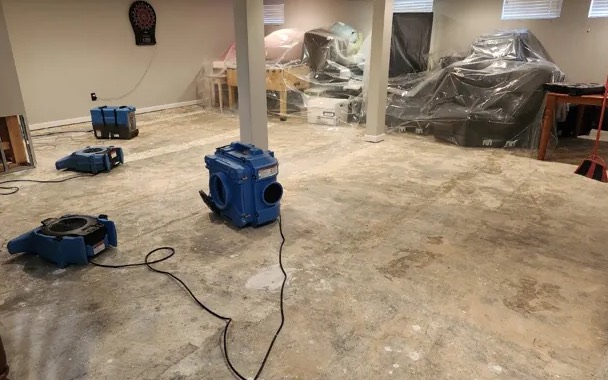
Professional Temperature-Controlled Drying in The Hammocks, FL
In The Hammocks, effective structural drying is critical to prevent secondary damage like wood rot or drywall softening, which can escalate repair costs and extend displacement time if drying is too slow or uneven. Local temperature-controlled drying specialists address this with rapid drying technology, using thermal drying processes that accelerate evaporation from dense materials like concrete or framing lumber safely.
These pros implement controlled drying systems that combine high-capacity air movers with desiccant dehumidifiers, establishing a balanced drying environment. They track the process with moisture monitoring equipment, providing you with detailed water damage drying logs that serve as evidence for your insurer's coverage decisions.
Specialized drying equipment deployment addresses specific drying challenges for properties in The Hammocks area. Moisture control experts analyze the environment with monitoring tools before setting up climate-controlled drying systems for efficient moisture removal. Humidity control is maintained, generating detailed water damage drying logs.
Temperature-Controlled Drying Methods Available in The Hammocks
Rapid Structural Drying Services
Rapid drying protocols focus on core materials providing a building's strength. Local drying equipment pros implement these methods for wood, concrete, and steel. Effective drying helps preserve property value throughout The Hammocks.
Humidity Control for Restoration
Local drying equipment pros select dehumidifiers using initial moisture mapping data. This equipment works with air movement to transport moisture away from materials. The targeted approach ensures resources are used effectively.
Thermal Drying for Water Damage
Targeted heat accelerates evaporation from wet building materials throughout The Hammocks. This thermal drying process helps prevent swelling wood or adhesive failure. Local drying equipment pros maintain precise conditions with specialized equipment.
Drying Equipment Deployment
Local drying equipment pros select the right air movers, dehumidifiers, and heaters for the job. They assess size, material types, and moisture levels for the equipment mix. The team stages and secures this equipment to operate safely.
Air Mover Placement for Drying
Local drying equipment pros develop a placement strategy considering obstacles and ventilation goals. They may use techniques like creating air dams or focusing flow into cavities. Correct strategy significantly reduces drying time for homes in The Hammocks.
Moisture Mapping
Moisture mapping uses penetrating and non-penetrating meters to document water migration. This creates a blueprint of wet areas, including hidden moisture behind walls. Accurate mapping ensures equipment is placed for maximum effectiveness.
Water Damage Drying Logs
Local drying equipment pros in The Hammocks maintain drying logs as an official record. This data tracks moisture reduction over time and informs any needed adjustments to the drying strategy.
Indicators for Temperature-Controlled Drying in The Hammocks Properties
Condensation on Windows or Surfaces
Excess humidity causes water droplets to form on cold surfaces. This condensation confirms the indoor air has too much moisture.
Discoloration on Drywall or Ceilings
Yellow or brown water stains appear on surfaces that seem dry. These stains suggest moisture is still present inside the wall cavity.
Cold, Damp Feeling in a Room
A room feels noticeably colder and damper than the rest of the house. This sensation is often due to evaporative cooling from wet materials.
Damp Odors Persisting After Water
A musty smell lingers even after visible water is gone, indicating hidden moisture. That odor often signals microbial growth or trapped dampness.
High Humidity Readings Inside
A hygrometer shows indoor humidity levels are abnormally elevated. High readings confirm the need for professional humidity control for restoration.
Cracking of Plaster or Joints
Plaster or drywall joint tape develops new cracks or fissures. These cracks occur as wet materials swell and then contract during drying.
How Temperature-Controlled Drying Works in The Hammocks
Step 1: Assessment and Moisture Detection
Restoration pros perform a thorough assessment using thermal imaging and moisture meters. This identifies the full extent of damage, guiding the drying plan.
Step 2: Containment and Airflow Strategy
They set up containment barriers to isolate the wet area and manage humidity. Then, an airflow strategy is designed for efficient moisture removal from all materials.
Step 3: Thermal Drying System Activation
Specialized thermal drying equipment is activated to gently raise the air temperature in the space. This controlled heat energy boosts evaporation rates safely.
Step 4: Verification and Structural Drying Completion
The area is verified as dry using standardized moisture comparison readings. This confirmation ensures structural drying is complete and no residual moisture remains.
Causes of Persistent Dampness Requiring Controlled Drying in The Hammocks
Foundation Cracks and Seepage
Hydrostatic pressure forces groundwater through cracks in the foundation wall. This seepage creates a constant dampness that challenges standard drying technology.
Overflowing Sinks or Bathtubs
A simple blockage or forgetfulness leads to an overflow event. Water spreads quickly, soaking cabinetry and flooring, and requires thorough drying equipment deployment.
Appliance Malfunction or Overflow
A failed washing machine hose, water heater, or dishwasher releases gallons. The resulting flood needs rapid structural drying services to prevent damage.
Roof Leak During Heavy Rain
Wind-driven rain penetrates a compromised roof or flashing system. Water travels down interior wall cavities, requiring thermal drying for water damage.
Sprinkler System Activation
A fire sprinkler discharges, releasing a large volume of water quickly. This event saturates entire areas and requires precise air mover placement and strategy.
Whole-Property Temperature-Controlled Drying in The Hammocks
Residential Temperature-Controlled Drying
Homeowners benefit from structural drying that prevents mold and preserves structural elements like wood framing and drywall. Moisture control experts set up targeted drying arrays to address specific home layouts and materials. This precise approach safeguards your living space from secondary damage following a water incident.
Commercial Temperature-Controlled Drying
Commercial property managers need drying that meets business continuity goals and safety codes. Drying equipment pros deploy industrial-grade dehumidifiers and air movers to manage humidity in large, complex spaces. Their systematic approach, including moisture monitoring, helps restore the property to pre-loss condition swiftly.
Professional Temperature-Controlled Drying vs. Do-It-Yourself in The Hammocks
You can safely wipe down hard, non-porous surfaces like tile, vinyl, or sealed wood with a disinfectant after removing water. Checking for obvious leaks and shutting off the water source to prevent more damage is also a prudent DIY step. The complex science of humidity control for restoration, however, requires the precise equipment and strategy of local water damage pros to help ensure complete drying.
Understanding Temperature-Controlled Drying Cost in The Hammocks
The final price for thermal drying and moisture control in The Hammocks is determined by the square footage affected and the sophistication of the controlled drying systems implemented.
Humidity Control Measures
Implementing precise humidity control for restoration in confined spaces often necessitates specialized, energy-intensive drying equipment and constant adjustment.
Equipment Needs
The number and type of air movers, dehumidifiers, and thermal drying units deployed for rapid drying affect material and operational expenses.
Extent of Water Damage
The total area requiring structural drying directly influences the scope of equipment and labor needed for complete moisture removal in The Hammocks.
Access and Logistics
Challenging site access in The Hammocks can complicate equipment deployment and placement, potentially increasing setup time and labor requirements.
Does Insurance Cover Temperature-Controlled Drying?
Whether insurance pays for thermal drying for water damage depends on your policy's specific language and the cause of loss. Restoration pros meticulously record moisture levels and drying progress to create a verifiable log for your adjuster. You should always consult directly with your insurance company to understand your benefits.
Advantages of Hiring Drying Equipment Pros in The Hammocks for Temperature-Controlled Drying
Strategic Equipment Deployment
Air movers and dehumidifiers are placed according to a calculated plan to create optimal airflow and humidity control for efficient drying.
Ongoing Moisture Monitoring
Regular checks with moisture meters verify that drying goals are met, helping ensure no residual dampness remains within walls or floors.
24/7 Emergency Response
Fast response is critical to limit secondary damage, and local pros are available around the clock to begin the drying process immediately.
Rapid Structural Drying
The focus is on quickly extracting moisture from structural components to minimize warping, swelling, or the potential for mold growth.
Comprehensive Drying Logs
Detailed, chronological logs of moisture readings and equipment settings provide a transparent record of the entire temperature-controlled drying process.
24/7 Emergency Temperature-Controlled Drying in The Hammocks
Immediate drying limits further damage. To get drying equipment deployment and moisture monitoring started on a property in The Hammocks, contact the emergency line at (645) 230-2529 anytime, day or night.
Call Now (645) 230-2529Temperature-Controlled Drying Serving The Hammocks and Nearby Areas
Temperature-controlled drying is a critical service for properties in The Hammocks, along with nearby areas like Country Walk, Kendale Lakes and Richmond West, addressing water damage with precise climate-controlled drying systems and moisture mapping.
- Temperature-Controlled Drying in Country Walk
- Temperature-Controlled Drying in Kendale Lakes
- Temperature-Controlled Drying in Richmond West
- Temperature-Controlled Drying in Tamiami
- Temperature-Controlled Drying in Sweetwater
- Temperature-Controlled Drying in Palmetto Bay
- Temperature-Controlled Drying in Pinecrest
- Temperature-Controlled Drying in Fountainbleau
- Emergency Damage Restoration in 33186
- Storm Damage Restoration in 33186
- Water Damage Restoration in 33186
- Water Extraction Service in 33186
- Water Leak Detection in 33186
- Water Removal Service in 33186
- Emergency Damage Restoration in 33196
- Storm Damage Restoration in 33196
Frequently Asked Questions About Temperature-Controlled Drying
Why is moisture mapping important for drying?
Moisture mapping uses sensors to create a detailed picture of wet areas, ensuring drying equipment is targeted effectively and all moisture, even hidden, is addressed.
How does humidity control aid in restoration?
Humidity control lowers the ambient moisture in the air, creating a strong gradient that pulls water out of wet materials more efficiently for a complete dry.
What are water damage drying logs used for?
Drying logs are detailed records of moisture readings, equipment settings, and progress; they provide documentation for the restoration process and are often required for insurance claims.
How does thermal drying for water damage work?
Thermal drying applies carefully managed heat to increase the evaporation rate of moisture trapped within materials, accelerating the drying process while monitored to prevent damage.
What happens if hidden moisture is not found during mapping?
Undetected moisture can lead to ongoing deterioration, odor issues, and mold growth inside walls or under floors, underscoring the critical need for thorough initial assessment.
How is drying progress verified during moisture monitoring?
Progress is verified by taking comparative moisture readings with penetrating and non-penetrating meters over time, ensuring levels drop to established dry standards for each material.
When is climate-controlled drying necessary versus regular drying?
Climate-controlled drying is necessary for severe losses, sensitive materials, or when precise environmental control is needed to prevent damage, unlike simple air drying for minor spills.