Wellington, FL · Palm Beach County
Temperature-Controlled Drying in Wellington, FLClimate-Controlled Drying Systems, Water Damage Drying Logs & Thermal Drying For Water Damage
Temperature-Controlled Drying in Wellington by local drying equipment pros addresses thermal drying for water damage, climate-controlled drying systems, and moisture mapping to restore property. Call (645) 230-2529 for 24/7 emergency drying help.
Answered 24/7
Targeted Temperature-Controlled Drying for Properties in Wellington
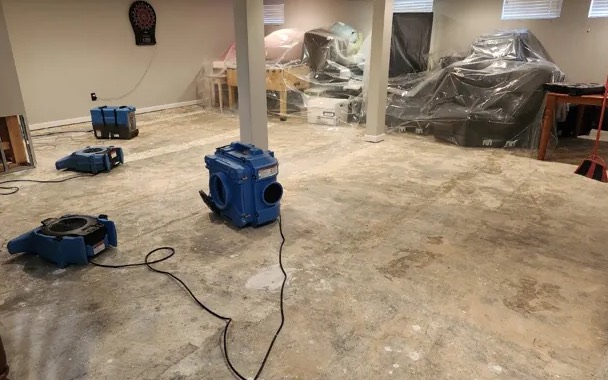
For homes in Wellington, proper humidity control for restoration is critical, as ambient conditions can hinder drying. Local drying equipment pros deploy industrial-grade dehumidifiers to strip moisture from the air, pulling water efficiently from saturated materials.
These temperature-controlled drying specialists also use moisture mapping and monitoring to validate their progress, helping ensure no wet areas are missed. Their systematic approach, documented in thorough drying logs, helps you present a clear case to your insurance company about the extent and treatment of the water damage.
Temperature-controlled drying in Wellington and the broader region requires techniques like moisture mapping and thermal drying to address water in complex assemblies. Local temperature-controlled drying specialists deploy drying equipment based on a strategic plan, using air movers to promote evaporation and dehumidifiers for humidity control. Drying progress in Wellington is tracked with moisture meters until materials return to normal readings.
Temperature-Controlled Drying Methods Available in Wellington
Climate-Controlled Drying Systems
Local drying equipment pros deploy climate-controlled drying systems to manage temperature, humidity, and airflow in concert. These closed-loop systems efficiently handle large-scale incidents. Parameters adjust based on continuous moisture readings.
Water Damage Drying Logs
Local drying equipment pros compile drying logs with moisture maps, photos, and readings. This report documents the system's performance and the materials' response, demonstrating a professional approach.
Thermal Drying for Water Damage
Targeted heat accelerates evaporation from wet building materials throughout Wellington. This thermal drying process helps prevent swelling wood or adhesive failure. Local drying equipment pros maintain precise conditions with specialized equipment.
Moisture Mapping
Moisture mapping uses penetrating and non-penetrating meters to document water migration. This creates a blueprint of wet areas, including hidden moisture behind walls. Accurate mapping ensures equipment is placed for maximum effectiveness.
Humidity Control for Restoration
Local drying equipment pros use powerful dehumidifiers to remove water vapor from the air. This creates a drying gradient that pulls moisture from wet surfaces. Maintaining low humidity is essential for preventing secondary damage.
Air Mover Placement for Drying
The tactical setup of air-moving equipment establishes cross-flow or focus drying patterns. Local drying equipment pros adjust the strategy daily based on monitoring data, repositioning units. It is a dynamic process managed by restoration professionals.
Drying Equipment Deployment
Local drying equipment pros in Wellington position equipment to create the controlled environment. They set correct settings and may build containment barriers, turning the drying plan into action.
Indicators for Temperature-Controlled Drying in Wellington Properties
Moisture Meter Shows High Readings
A handheld meter detects high moisture levels inside walls or floors. These readings prove that structural drying is still required.
Discoloration on Drywall or Ceilings
Yellow or brown water stains appear on surfaces that seem dry. These stains suggest moisture is still present inside the wall cavity.
Cold, Damp Feeling in a Room
A room feels noticeably colder and damper than the rest of the house. This sensation is often due to evaporative cooling from wet materials.
Soft Drywall or Sagging Ceiling
Drywall feels spongy to the touch or a ceiling sags downward. This softness means the material is saturated and structurally compromised.
Warping of Wood Floors or Trim
Floorboards begin to cup, buckle, or separate at the seams. This warping is a direct result of excessive, uneven moisture content.
Damp Odors Persisting After Water
A musty smell lingers even after visible water is gone, indicating hidden moisture. That odor often signals microbial growth or trapped dampness.
How Temperature-Controlled Drying Works in Wellington
Step 1: Assessment and Moisture Detection
Restoration pros perform a thorough assessment using thermal imaging and moisture meters. This identifies the full extent of damage, guiding the drying plan.
Step 2: Containment and Airflow Strategy
They set up containment barriers to isolate the wet area and manage humidity. Then, an airflow strategy is designed for efficient moisture removal from all materials.
Step 3: Thermal Drying System Activation
Specialized thermal drying equipment is activated to gently raise the air temperature in the space. This controlled heat energy boosts evaporation rates safely.
Step 4: Verification and Structural Drying Completion
The area is verified as dry using standardized moisture comparison readings. This confirmation ensures structural drying is complete and no residual moisture remains.
What Leads to Needing Temperature-Controlled Drying in Wellington
Inadequate Initial Water Extraction
Not all standing water was removed after a leak or flood incident. Residual moisture migrates into subfloors and walls, complicating moisture removal.
Undetected Plumbing Leaks
A slow drip behind a wall or under a slab saturates materials over time. This hidden leak requires moisture mapping and monitoring to locate and address.
Storm-Driven Water Intrusion
Heavy rainfall overwhelms gutters or finds entry points around windows. Driven water soaks framing and insulation, necessitating comprehensive moisture monitoring.
Sprinkler System Activation
A fire sprinkler discharges, releasing a large volume of water quickly. This event saturates entire areas and requires precise air mover placement and strategy.
Poor Ventilation After a Flood
Closing up a room too soon traps humid air inside the structure. This stagnant air slows evaporation and demands controlled drying systems.
Temperature-Controlled Drying for Homes and Businesses in Wellington
Residential Temperature-Controlled Drying
Residential restoration focuses on saving personal items and preventing long-term odors in living areas and bedrooms. Local drying specialists employ thermal drying for water damage to gently yet effectively dry contents and building materials. This methodical drying protects your home's comfort and air quality after a leak or flood.
Commercial Temperature-Controlled Drying
In commercial settings, uncontrolled humidity can damage sensitive electronics, documents, and finished goods. Restoration pros implement humidity control for restoration to create optimal drying conditions for diverse materials. Their rapid drying protocols are designed to get your business back to normal operations quickly.
Temperature-Controlled Drying: DIY Risks vs. Professional Care in Wellington
For a small, recent water spill, use towels to blot surface water and improve air circulation with fans. If water soaks into porous materials like drywall or carpet padding, contact local moisture control experts. DIY methods can drive moisture deeper, leading to hidden mold.
Factors in Temperature-Controlled Drying Pricing for Wellington, FL
For temperature-controlled drying services in Wellington, key pricing influences include the duration needed for structural drying and the type of advanced drying technology employed for moisture removal.
Extent of Water Damage
The total area requiring structural drying directly influences the scope of equipment and labor needed for complete moisture removal in Wellington.
Drying Time Required
Longer drying periods for climate-controlled systems mean more equipment runtime and monitoring, impacting the overall cost of the restoration project.
Structural Material Types
Porous materials like concrete or dense wood require more aggressive drying strategies and extended monitoring, influencing the project timeline and cost.
Equipment Needs
The number and type of air movers, dehumidifiers, and thermal drying units deployed for rapid drying affect material and operational expenses.
Does Insurance Cover Temperature-Controlled Drying?
Local drying equipment pros in Wellington provide thorough documentation including moisture mapping data to support a homeowner's claim. Coverage decisions belong to the insurer, so property owners should confirm with their provider.
Advantages of Hiring Drying Equipment Pros in Wellington for Temperature-Controlled Drying
24/7 Emergency Response
Fast response is critical to limit secondary damage, and local pros are available around the clock to begin the drying process immediately.
IICRC-Standard Drying Methods
The process follows industry-standard protocols for structural drying, ensuring moisture is removed systematically to protect your property's integrity.
Targeted Thermal Drying
Applying directed heat energy safely accelerates the drying of dense materials, reducing the overall timeline for the restoration project.
Comprehensive Drying Logs
Detailed, chronological logs of moisture readings and equipment settings provide a transparent record of the entire temperature-controlled drying process.
Advanced Moisture Mapping
Using precise detection tools, pros identify hidden moisture pockets to ensure the complete drying of affected materials and prevent future issues.
Emergency Moisture Control in Wellington
Stop water damage from worsening. For 24/7 emergency humidity control for restoration and rapid drying services from local pros in Wellington, dial (645) 230-2529 to begin the mitigation process now.
Call Now (645) 230-2529Temperature-Controlled Drying Serving Wellington and Nearby Areas
Controlled drying systems are essential for properties in Wellington, and near Loxahatchee Groves, Royal Palm Beach and Golden Lakes, where advanced drying technology is applied and thorough water damage drying logs are maintained.
- Temperature-Controlled Drying in Loxahatchee Groves
- Temperature-Controlled Drying in Royal Palm Beach
- Temperature-Controlled Drying in Golden Lakes
- Temperature-Controlled Drying in Greenacres
- Temperature-Controlled Drying in Westlake
- Temperature-Controlled Drying in Century Village
- Temperature-Controlled Drying in Cypress Lakes
- Temperature-Controlled Drying in Haverhill
- Emergency Damage Restoration in 33414
- Storm Damage Restoration in 33414
- Water Damage Restoration in 33414
- Water Extraction Service in 33414
- Water Leak Detection in 33414
- Water Removal Service in 33414
- Emergency Damage Restoration in 33449
- Storm Damage Restoration in 33449
Your Temperature-Controlled Drying Questions Addressed
How does thermal drying for water damage work?
Thermal drying applies carefully managed heat to increase the evaporation rate of moisture trapped within materials, accelerating the drying process while monitored to prevent damage.
What is the difference between air movers and dehumidifiers?
Air movers evaporate moisture from surfaces into the air, while dehumidifiers then extract that moisture from the air, working together in a closed-loop drying system.
Is temperature-controlled drying safe for electronics or artwork?
When performed by experienced drying equipment pros using precise humidity control and low-temperature settings, it can be a safe method for drying sensitive items affected by water damage.
What does drying equipment deployment involve?
Deployment involves assessing the loss, calculating the needed capacity, and strategically positioning industrial air movers, dehumidifiers, and sometimes thermal drying units to create an efficient drying environment.
Can temperature-controlled drying prevent mold growth?
By rapidly removing moisture and controlling humidity, the process creates an environment where mold cannot thrive, significantly reducing the potential for spore germination and growth.
How does humidity control aid in restoration?
Humidity control lowers the ambient moisture in the air, creating a strong gradient that pulls water out of wet materials more efficiently for a complete dry.
What are water damage drying logs used for?
Drying logs are detailed records of moisture readings, equipment settings, and progress; they provide documentation for the restoration process and are often required for insurance claims.