Washington Park, FL · Broward County
Trim & Baseboard Replacement after Water Damage in Washington Park, FLFloor Water Extraction Service & New Trim Paint Matching
When wet baseboard replacement is needed in Washington Park, Trim & Baseboard Replacement after Water Damage by local baseboard replacement experts includes wall repair behind trim, trim salvage and drying, and baseboard mold inspection.
Answered 24/7
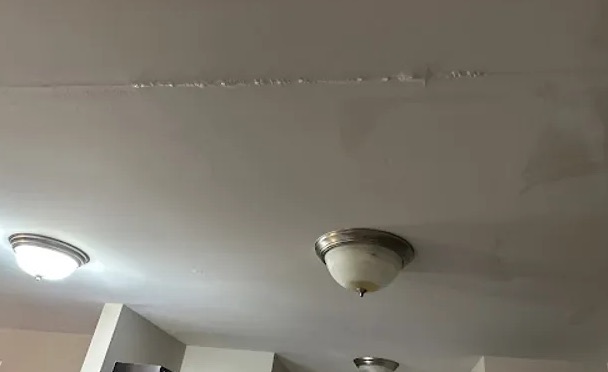
Trusted Trim & Baseboard Replacement after Water Damage Near Washington Park
In Washington Park, water-damaged trim often means water has reached the wall and subfloor behind it. Fixing the trim alone can leave that moisture in place.
In Washington Park, local baseboard replacement experts repair water-damaged trim, add moisture barriers and paint new trim to blend with what is already there in the room.
Typical Trim & Baseboard Replacement after Water Damage Work in Washington Park
Floor Water Extraction Service
When water pools along baseboards, pros extract it from the flooring, before it ruins the trim and the floor underneath.
New Trim Paint Matching
After new baseboards go in, pros paint them to blend with the existing trim so the repair does not stand out.
Wet Baseboard Replacement
Pros install new, dry baseboard in the same style and finish as the rest of the room, and seal it against future moisture in Washington Park homes.
Trim Moisture Barrier Installation
Pros can add a moisture barrier behind new baseboards in Washington Park homes to protect the wood and wall from future minor moisture.
Baseboard Mold Inspection
An inspection for mold growth behind trim occurs after water exposure. Conditions are documented to support discussions with insurers about remediation in Washington Park, a census-designated place in Broward County.
Symptoms Requiring Trim & Baseboard Replacement after Water Damage in Washington Park
Previous Water Leak History
Past incidents of plumbing leaks or flooding increase the risk of unseen moisture damage and mold behind baseboard.
Baseboard Discoloration or Staining
Water marks, dark streaks, or yellowing on your baseboards are clear visual signs of moisture damage from leaks.
Wet or Softened Trim
Wood trim that feels spongy or damp to the touch indicates prolonged water exposure and potential structural compromise.
Floor Damage Near Trim
Buckling hardwood, stained carpet, or swollen laminate adjacent to baseboards points to a leak source at the wall.
How Trim & Baseboard Replacement after Water Damage Works in Washington Park
Step 1: Emergency Water Removal Service
Pros extract pooled water from the floor first to limit swelling in the baseboards and flooring.
Step 2: Trim Assessment and Salvage Attempt
Each piece of trim is evaluated for warping, mold, and structural integrity.
Step 3: Baseboard Removal and Wall Preparation
Trim that cannot be saved is removed, which exposes the wall so the drywall can be dried and repaired.
Step 4: Installation of Replacement Trim
New trim is measured, cut and installed, then caulked and painted to match the room.
Frequent Sources of Baseboard Water Damage
Foundation Cracks and Seepage
Hairline cracks in a foundation or slab can permit groundwater seepage, wicking moisture up into baseboards and causing rot.
Slab Leak From Buried Pipes
A leak in water supply lines beneath a concrete slab can send moisture upwards through the floor, swelling baseboards from below.
Storm-Driven Rain Penetration
Wind-driven rain during storms can force water through siding or brick mortar joints, leading to interior water damage and wet baseboards.
HVAC System Condensation Issues
Clogged condensate drain lines or sweating air handler units can drip water continuously onto floors, damaging nearby baseboards.
Residential and Commercial Trim & Baseboard Replacement after Water Damage in Washington Park
Residential Trim & Baseboard Replacement after Water Damage
Residential trim repair after a leak safeguards your home. The pros remove the damaged materials and install new, properly sealed trim so mold does not start behind it.
Commercial Trim & Baseboard Replacement after Water Damage
In commercial buildings, damaged baseboards can be a hazard. The pros replace them, repair flooring and document the work for insurance.
Trim & Baseboard Replacement after Water Damage vs. DIY: When to Call Local Experts
You can visually inspect baseboards for obvious swelling, discoloration, or peeling paint. Document the damage by taking clear photos from multiple angles for your insurance records. Run a dehumidifier in the affected room to help lower general humidity. For wet baseboard replacement or mold inspection, contact the experts as DIY removal can spread mold spores.
Pricing for Trim & Baseboard Replacement after Water Damage Work in Washington Park
In Washington Park, the price includes prep work such as extracting water from the floor and repairing drywall behind the trim.
Mold Inspection Needs
If mold is suspected behind the baseboard, inspection and containment add steps to the job.
Flooring Condition
Associated flooring repair after water leak near the baseboards may be needed, adding another layer to the restoration work required.
Moisture Barrier Installation
Adding a trim moisture barrier installation for prevention is an optional upgrade that affects the final project investment.
Does Insurance Cover Trim & Baseboard Replacement after Water Damage?
Homeowners insurance often covers trim and baseboard replacement after a sudden, accidental leak. Documented moisture damage to trim is typically included. Confirm specific coverage with your insurer. The experts provide detailed documentation with photos and moisture readings to support your claim.
Benefits of Local Experts for Trim & Baseboard Replacement after Water Damage in Washington Park
Complete Moisture Removal
Floors and walls near the trim are dried with professional equipment before new trim goes on.
Salvage Assessment
Evaluating every piece for trim salvage and drying potential can preserve original materials and reduce waste when conditions allow.
24/7 Emergency Response
Quick action on water incidents limits the extent of damage, making wet baseboard replacement more manageable and contained.
24/7 Emergency Trim Repair in Washington Park
For immediate drywall repair after water damage and trim issues, call local experts at (645) 230-2529. They respond around the clock to start the restoration process.
Call Now (645) 230-2529Trim & Baseboard Replacement after Water Damage Service Area Near Washington Park, FL
For water damaged trim repair and baseboard replacement in Washington Park and surrounding communities such as Boulevard Gardens, Franklin Park and Roosevelt Gardens, specialized restoration methods are used.
- Trim & Baseboard Replacement after Water Damage in Boulevard Gardens
- Trim & Baseboard Replacement after Water Damage in Franklin Park
- Trim & Baseboard Replacement after Water Damage in Roosevelt Gardens
- Trim & Baseboard Replacement after Water Damage in Rock Island
- Trim & Baseboard Replacement after Water Damage in Lauderhill
- Trim & Baseboard Replacement after Water Damage in Plantation
- Trim & Baseboard Replacement after Water Damage in Broadview Park
- Trim & Baseboard Replacement after Water Damage in Fort Lauderdale
Frequently Asked Questions About Trim & Baseboard Replacement after Water Damage
What are signs of moisture damage to trim?
Visible signs include warping, swelling, peeling paint, discoloration, and a musty odor. These indicate potential mold behind baseboard areas and the need for professional inspection.
How is mold behind baseboard detected?
A dedicated baseboard mold inspection involves visual assessment and may use moisture meters and borescopes to check for hidden mold behind the installed trim.
What happens during water damaged trim removal?
Pros carefully remove trim to avoid further wall damage, label pieces for potential salvage, and inspect the exposed wall and floor for hidden moisture.
Is drywall always removed during wet baseboard replacement?
Not always, but it is common. If wet or moldy, the drywall behind is removed to allow for proper drying and to ensure a clean substrate.
Why is quick action important for trim damage?
Quick action limits how far water spreads, reduces the severity of moisture damage to trim, and lowers the chance of mold development behind walls.