Margate, FL · Broward County
Wet Vacuum Water Extraction in Margate, FLEmergency Wet Vacuum Water Extraction & Carpet Pad Water Extraction
Wet Vacuum Water Extraction in Margate handles ceiling leak water cleanup, post-flooding subfloor drying, and carpet pad water extraction.
Answered 24/7
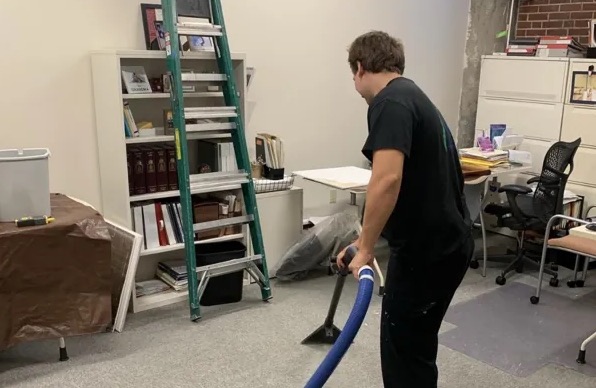
Your Margate Wet Vacuum Water Extraction Resource
In Margate, wet vacuum water extraction addresses the immediate threat of water damage, which can ruin flooring and personal belongings within hours.
Properties in Margate and nearby areas like Coconut Creek, Tamarac and Coral Springs often require wet vacuum water extraction after internal plumbing failures or accidental overflows. Local water extraction pros use industrial-grade equipment to handle carpet water extraction and hard surface drying.
Margate Wet Vacuum Water Extraction Service Details
Emergency Wet Vacuum Water Extraction
A 24/7 response for emergency wet vacuum water extraction halts water's spread in homes throughout the Margate area.
Carpet Pad Water Extraction
For carpets in Margate, proper wet vacuum water extraction targets both the surface fibers and the soaked pad below. Using specific wand techniques, the pros pull moisture from the entire assembly to enable effective drying and potential salvage.
Water Damaged Furniture Extraction
The pros use specialized tools to extract water from sofas and chairs, improving the chance of successful cleaning and drying.
Ceiling Leak Water Cleanup
Water from ceiling leaks can saturate insulation and drywall cavities. The affected area is contained, and extraction tools are employed to remove water from within the ceiling structure, seeking to minimize damage to the surrounding materials.
Post-Flooding Subfloor Drying
The pros establish a controlled drying environment using industrial equipment, following industry-standard methods to verify dryness.
Signs of Water Damage Needing Extraction
Recent Appliance or Plumbing Failure
A leaking water heater, washing machine or broken pipe needs the water removed fast to limit the damage.
Squeaky or Soft Spots in Flooring
Creaks or a soft give in the floor often mean the subfloor has water damage.
Carpet Remains Wet After Cleaning
If carpet is still damp a day after DIY cleanup, the pad likely still holds water.
Water Pooling Around Floor Drains
Slow drains or backups that leave standing water create a health hazard that needs safe removal.
How Wet Vacuum Water Extraction Works in Margate
Step 1: First Call and Site Safety Evaluation
When called for emergency water removal, pros secure the area for safety. An assessment of the water category begins, followed by planning the wet vacuum water extraction sequence.
Step 2: Primary Extraction of Standing Floodwater
The first physical action is removing all visible standing water using powerful extractors. This immediate water removal is the most effective way to limit damage spread.
Step 3: Secondary Extraction From Absorbent Materials
The experts then perform targeted extraction from carpets, upholstery, and drywall. This step, including water damaged furniture extraction, pulls moisture from within materials.
Step 4: Setting Up the Structural Drying System
After extraction, air movers and dehumidifiers dry the subfloor and the rest of the structure.
Common Causes of Water Damage in Margate
Natural Disaster Related Flooding
Flash floods and river overflows can put large amounts of water inside a property.
Clogged or Backed-Up Sewer Lines
Sewage backups introduce contaminated water into a property. This hazardous situation requires specialized water extraction equipment and safety protocols.
Fire Suppression System Activation
A sprinkler discharge during a fire puts a lot of water into a building.
Appliance Malfunctions and Leaks
Water heaters, washing machines, dishwashers and refrigerators can fail and flood the area around them.
Residential and Commercial Wet Vacuum Water Extraction in Margate
Residential Wet Vacuum Water Extraction
At home, water soaks into carpet and drywall. Pros extract moisture from the carpet surface and the pad beneath to prevent odors and germs.
Commercial Wet Vacuum Water Extraction
Commercial buildings have large open floors that can flood. The pros use industrial equipment to remove water from lobbies, hallways and work areas so operations can resume.
Wet Vacuum Water Extraction vs. DIY: When to Call Local Pros
You can attempt to move water-damaged furniture and belongings out of the standing water to a dry area. Be cautious of electrical hazards and heavy items. For actual water damaged furniture extraction, rely on the experts.
Pricing Considerations for Wet Vacuum Water Extraction
The pros evaluate several elements when determining the cost for flood cleanup services, such as the duration of saturation and the presence of salvageable contents.
Structural Drying Needs
Drying subfloors or wall cavities after extraction adds time, equipment and cost.
Furniture and Content
Water damaged furniture extraction adds steps to the process, as items must be moved, assessed, and treated separately.
Water Contamination Level
Clean water from a supply line requires different safety protocols than contaminated floodwater, affecting the restoration approach.
Does Insurance Cover Wet Vacuum Water Extraction?
Whether homeowners insurance covers water extraction services hinges on the source of the water damage. Policies typically address sudden discharges like a ceiling leak but exclude maintenance-related issues. The pros will create a detailed report of the extracted water and affected areas to support your submission, but you must confirm specifics with your insurer.
Advantages of Local Wet Vacuum Water Extraction Experts
Focused Content Handling
Salvageable furniture and belongings are carefully extracted, cleaned, and dried on-site or removed for specialized off-site restoration.
Structural Drying Expertise
Pros know how to dry wall cavities and structural parts, which protects the home for the long term.
IICRC-Standard Drying Methods
Following industry standards for moisture detection and controlled drying ensures materials are dried thoroughly to prevent secondary damage.
Emergency Wet Vacuum Water Extraction for Margate, FL
Appliance leaks and plumbing failures can happen at any time. Call (645) 230-2529 24/7 for wet vacuum extraction and flood cleanup from local pros.
Call Now (645) 230-2529Wet Vacuum Water Extraction Coverage in Broward County
Flood cleanup services in Margate and nearby Coconut Creek, Tamarac and Coral Springs require powerful extraction to remove water from all affected materials.
- Wet Vacuum Water Extraction in Coconut Creek
- Wet Vacuum Water Extraction in Tamarac
- Wet Vacuum Water Extraction in Coral Springs
- Wet Vacuum Water Extraction in Parkland
- Wet Vacuum Water Extraction in Pompano Beach
- Wet Vacuum Water Extraction in Lauderhill
- Wet Vacuum Water Extraction in Rock Island
- Wet Vacuum Water Extraction in Sunrise
- Emergency Damage Restoration in 33093
- Storm Damage Restoration in 33093
- Water Damage Restoration in 33093
- Water Extraction Service in 33093
- Water Leak Detection in 33093
- Water Removal Service in 33093
FAQs About Professional Water Extraction
Is water extraction performed following a ceiling leak?
Yes, ceiling leak water cleanup involves extracting water from insulation and drywall cavities, then setting up drying equipment in the attic space to prevent further damage below.
What equipment is used for water extraction?
Water extraction equipment includes truck-mounted or portable extractors, submersible pumps, moisture meters, air movers, and dehumidifiers to remove water and dry materials completely.
Is water extraction necessary for appliance leaks?
Appliance leak water removal is necessary to prevent water from migrating under flooring and into walls.
What's the difference between water extraction and water damage restoration?
Water extraction is the initial removal of water, while water damage restoration includes the full process: extraction, drying, cleaning, sanitizing, and any necessary repairs to the property.
How quickly should water extraction begin after flooding?
Water extraction should begin as soon as possible, ideally within 24 hours, to minimize absorption into materials and reduce the risk of structural damage and mold growth.